
Liberia WASH InitiativeThe story so far
One pump. One record. Safe water that lasts.
How WaterStep and Kijani Group set out to keep Liberia's hand pumps working: where the idea came from, what the field team found when they opened the pumps, and how the work is growing into a national system led by Liberia's government.
Where it goes next: from two counties, Bong and Grand Bassa, to every water point in Liberia.
Video filmed during the LWI feasibility study, 2025

Why we do this
Water points should keep working, year after year.
WaterStep has spent many years on one problem: water points that are built, then break, and are never fixed. Keeping them working is what drives the team, one repair, one record and one community at a time. The work in Liberia puts that commitment into practice.
A pump is only as good as its next repair.
- Keep them workingWater points that keep giving water long after they are built.
- LiberiaA feasibility study maps why pumps fail.
- The censusPublic water points counted in Bong and Grand Bassa.
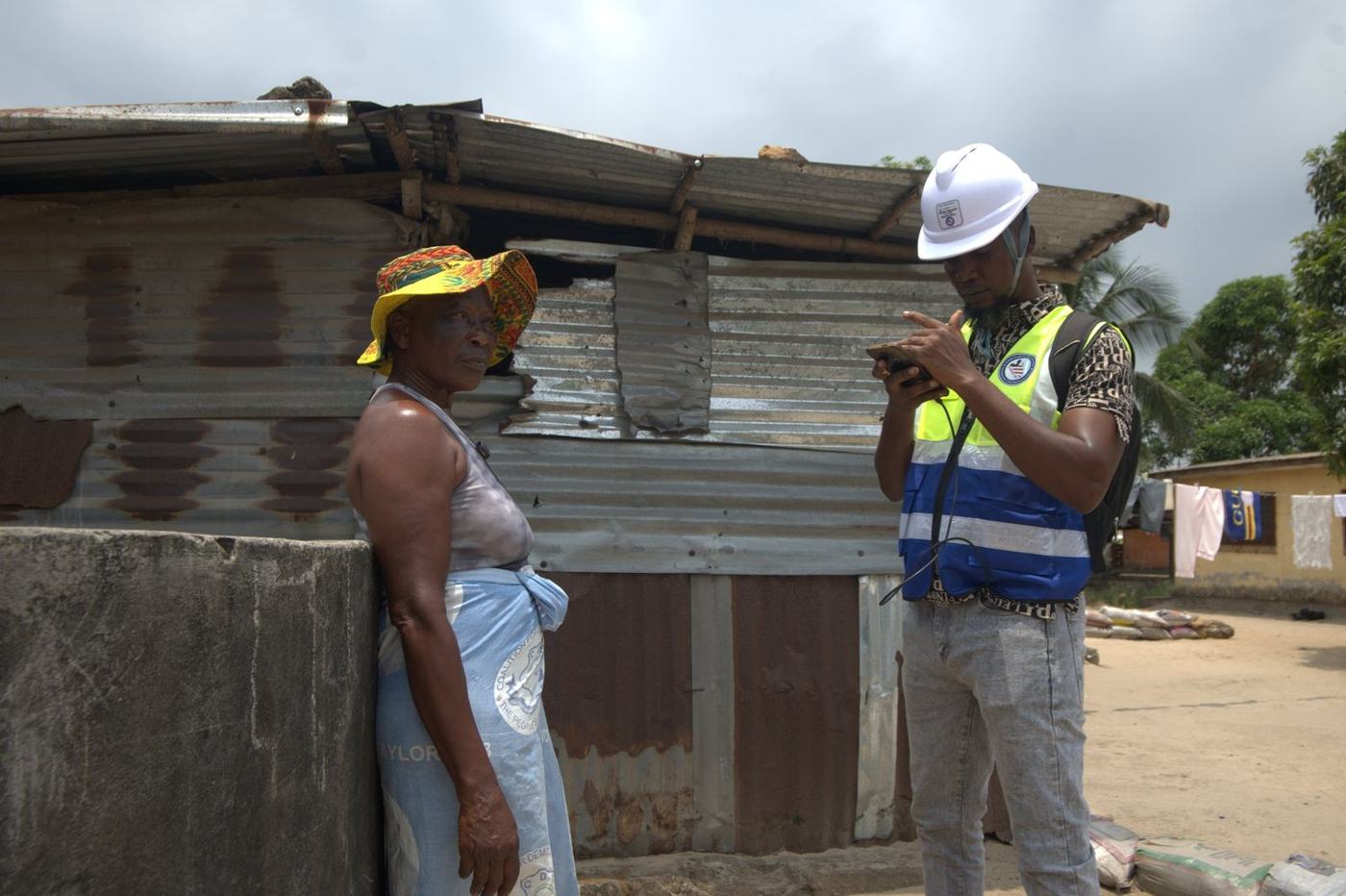
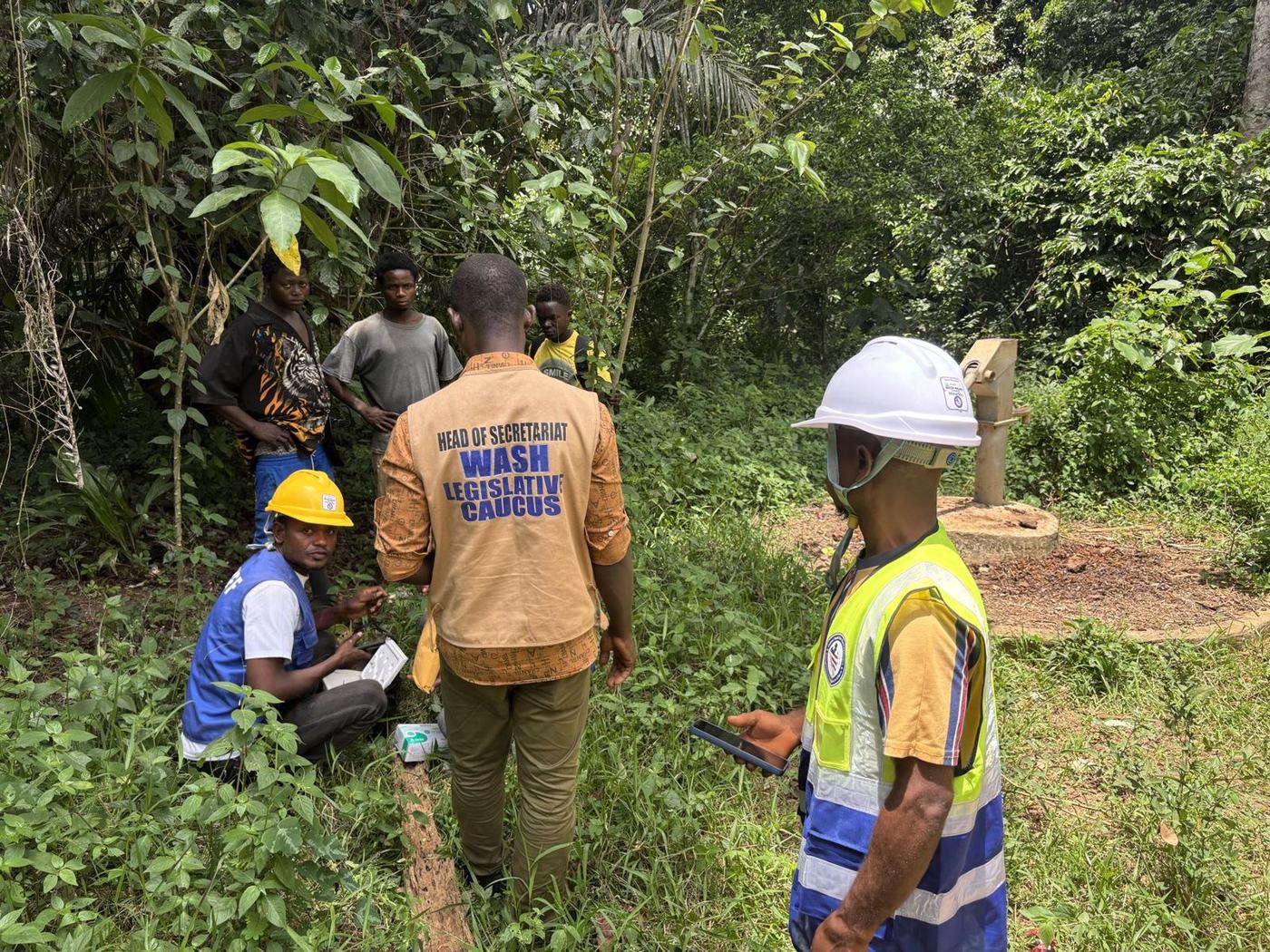
- Into the fieldA Liberian team opens pumps with the app.
- Scaling upA national WASH iMIS with the government.
The problem
Liberia's water points break, and stay broken.
Across Liberia national data
of Liberia's improved water points were broken down
2017 national water point mapping, Ministry of Public Works (WASH Liberia)of improved water points were fully working and in use. Another 17% worked with problems or were not used for drinking.
2017 national water point mapping, Ministry of Public Works (WASH Liberia)of deaths from diarrhoea in Liberia are attributable to unsafe drinking water, sanitation and hygiene
WHO 2023, 2019 estimates (Annex 6, Table A6.1)What we found Bong and Grand Bassa counties, 2026
Far above the national 18% because it counts what communities reported in the areas LWI targets, not a national sample. Our own first-visit test points the same way: only 17 of 121 water points produced water. It also shows why we test: 3 reported broken were actually working.
Where a pump is broken, families go back to open wells and creeks.
Why water points fail root causes from our 2025 feasibility study, and how LWI answers each
Findings: WaterStep advance-team census, 2026 (status of public water points as reported by communities). National figures: 2017 national water point mapping (Ministry of Public Works), WHO 2023, UN IGME 2025.
What we found inside the pumps WaterStep app data · 7 Nov 2026
Most breakdowns are small, cheap parts. Not a reason to drill again.
Parts flagged for replacement share of water points opened up
Why we test, not just ask first visit, Bong and Grand Bassa
WaterStep app, snapshot of 7 Nov 2026: submitted inspections only (drafts, test and staff accounts and the training site excluded). Early figures from a Liberian field team still learning the app: they show what the app can capture, not final results.
The scoping journey GPS from the WaterStep app · 7 Nov 2026
Town by town, pump by pump.
Each dot is a hand pump the field team opened, placed where its GPS was recorded. Press play to follow the team day by day, through the communities of Bong in April and Grand Bassa in October. The line joins the centre of each day's work, as several teams worked in parallel.
Positions as captured on the phone; a few have low accuracy.
Our solution · the WaterStep app 1Solves: no data or coordination
A repair manual in every community pocket.
The WaterStep app walks a trained person through inspecting and repairing a hand pump, step by step, and works offline. Every visit leaves a verified record behind, and reviewed records feed the government-led national WASH iMIS.
Register
Each water point gets one record: GPS location, photos, a part-by-part check, a flow test and water samples for the lab.
Track performance
Every visit adds to the record, so a fault is caught and fixed before the water point is abandoned.
Report to government
Reviewed records feed the national WASH iMIS led by the National WASH Commission, so the government sees which water points work and where to act.
Prove what was done
Before and after are saved together, so partners and an independent auditor can check what was found and what was fixed.
3D model built with WaterStep
Our solution · visual learning in the app 2Solves: no skills or tools for quick fixes
Communities learn to fix their own water points.
The app's 3D models let community members explore a hand pump part by part, so they can spot a fault and make simple repairs themselves instead of waiting weeks for outside help.
- See it, then fix it. Community members study every part on screen before they open a real pump.
- Simple repairs, done locally. Worn seals and valves, the most common faults, can be replaced by a trained caretaker in hours.
- Water that stays on. Fast local repairs stop small faults becoming abandoned water points, which is what keeps water points working for years.
Empowerment is the sustainability plan: the skills stay in the community after the project team leaves.
What comes next · the national WASH iMIS
A government-led platform for every water point in Liberia.
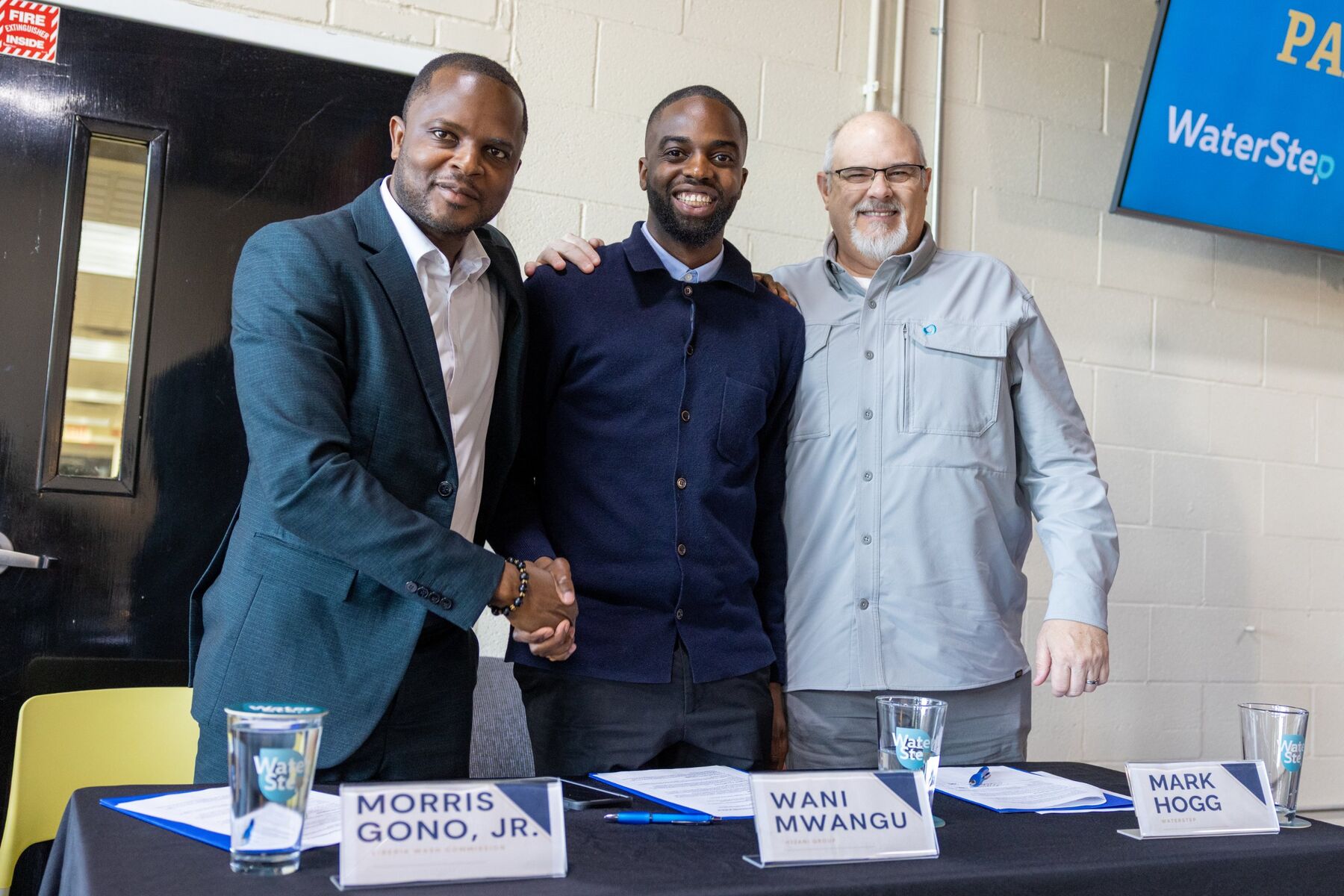
The goal is to bring data from many agencies into one place, to "centralize and feed up to a national system."Morris Gono Jr., National WASH Commission, Spectrum News 1, 30 Oct 2026
In October 2026 the National WASH Commission, WaterStep and Kijani Group signed a memorandum of understanding to develop the WASH iMIS, building on the WaterStep platform piloted in Liberia. Press release, 30 Oct 2026.
Communities · the WaterStep platform
Empowering communities to keep their own water flowing.
Give a community a repaired water point and it has water for a while. Teach it to care for that water point and it has water for years.
Every community gets WaterStep's tools to maintain and fix its own water point, with support coordinated by the government.
- Learn3D lessons in the app show caretakers each part of the water point before they touch it.
- CheckCaretakers inspect their water point with the app; every visit updates its record.
- FixMost faults are worn seals and valves that a trained caretaker can replace locally.
- Report and get supportIf a fault is beyond them, the water point is flagged so support can step in.
Government-led coordination: reviewed records feed the national WASH iMIS run by the National WASH Commission.
Our solution · carbon credits, explained simply 3Solves: no money for repairs
Safe water can earn carbon credits that pay for upkeep.
Without safe water, families must boil it
Boiling burns wood and charcoal. Many families cannot afford the fuel, so they drink it untreated.
A working water point removes that need
Tested water needs no boiling. The wood no longer burned is the emission cut.
Credits are paid for results
An auditor checks every year that water points work. If one stops, its credits stop.
Built to earn credits from day one: every water point is registered, tested and monitored in the WaterStep app, following Gold Standard's safe drinking water method.
What the credits do for communities
LWI is not yet certified. Carbon revenue depends on Gold Standard certification, Liberia's authorisation, yearly verification and buyers.
How it lasts
A working pump can help pay for its own repairs.
- 1
Repair and maintain
Each water point is diagnosed part by part and repaired, and its water is tested before we call it safe. A trained caretaker handles routine upkeep.
27 water points with repairs recorded - 2
Record every water point in WaterStep
One record per water point: GPS, photos, parts and water samples. Each visit updates its status, so faults are caught early and the government can see them.
152 water points recordedFeeds the national WASH iMIS - 3
Carbon revenue funds the upkeep
The project is designed to produce its own revenue from carbon credits. That money pays technicians, spare parts and monitoring, so restored water points stay in service.
Potential: depends on certification and buyers
Partners
Groundwork done. Partners in place.
Lead partners

Government of Liberia
Carbon and market partners
Liberian civil society


WaterStep app data as of 7 Nov 2026; WaterStep advance-team census, 2026; LWI feasibility study, 2025. The project is registered with the Carbon Markets Authority; Letter of Authorisation pending.
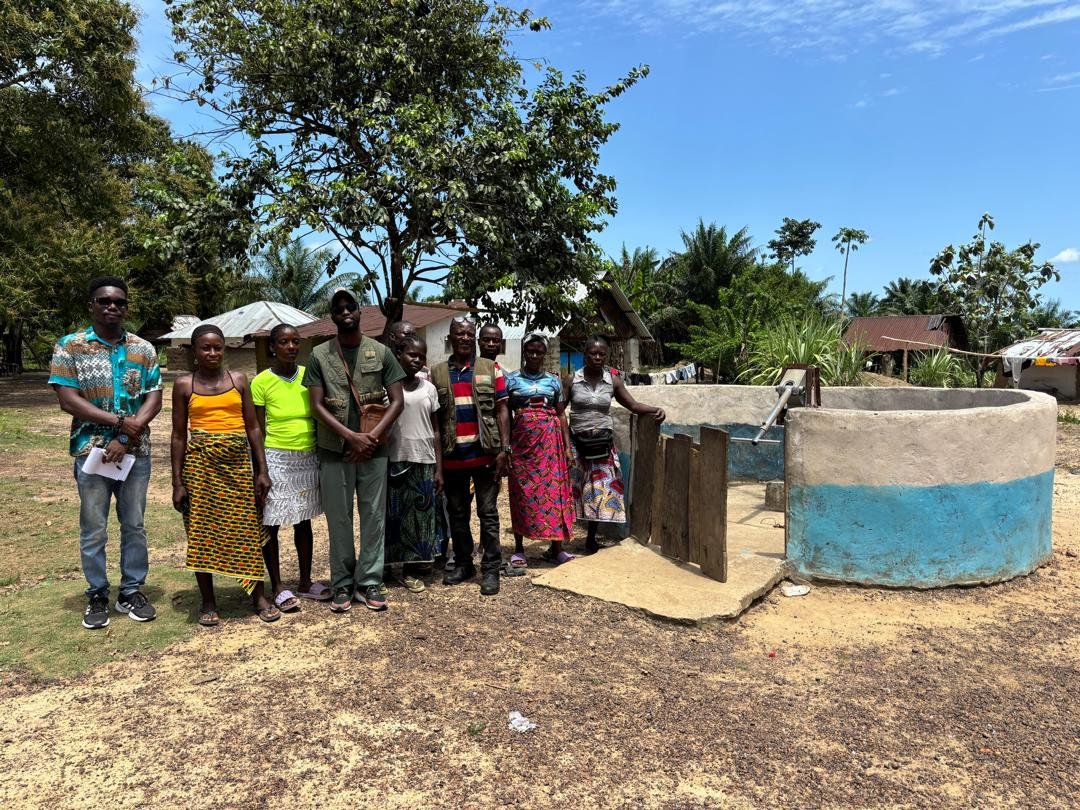
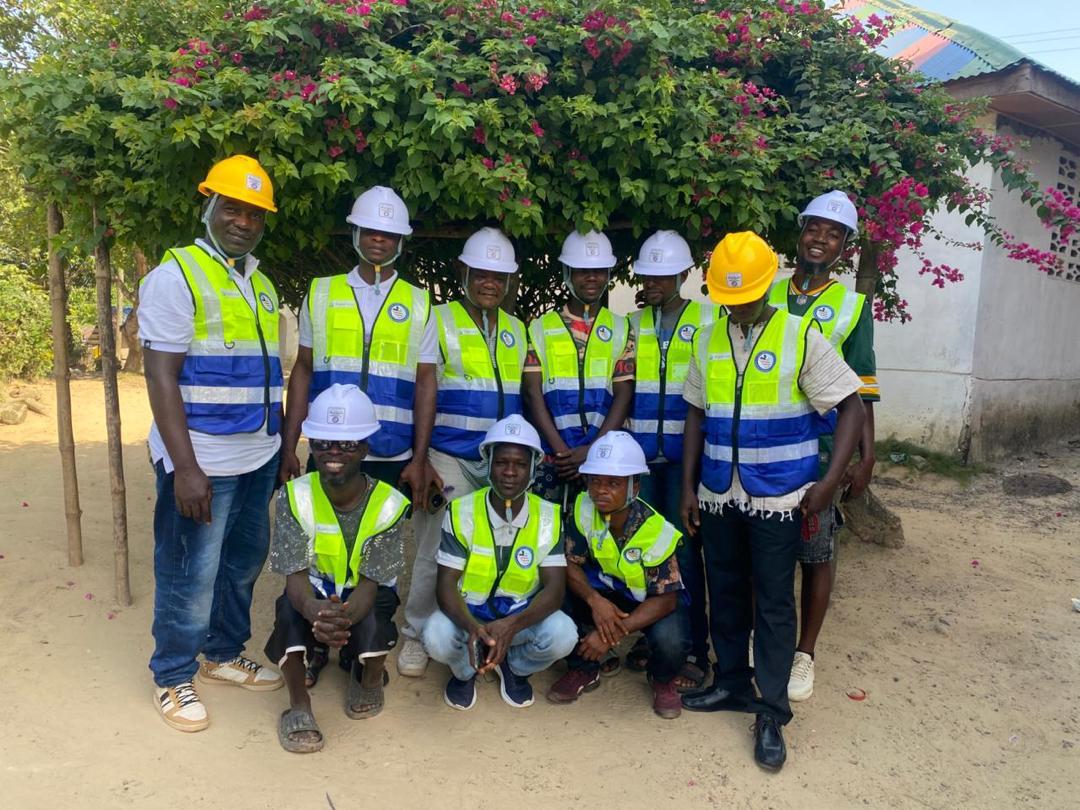
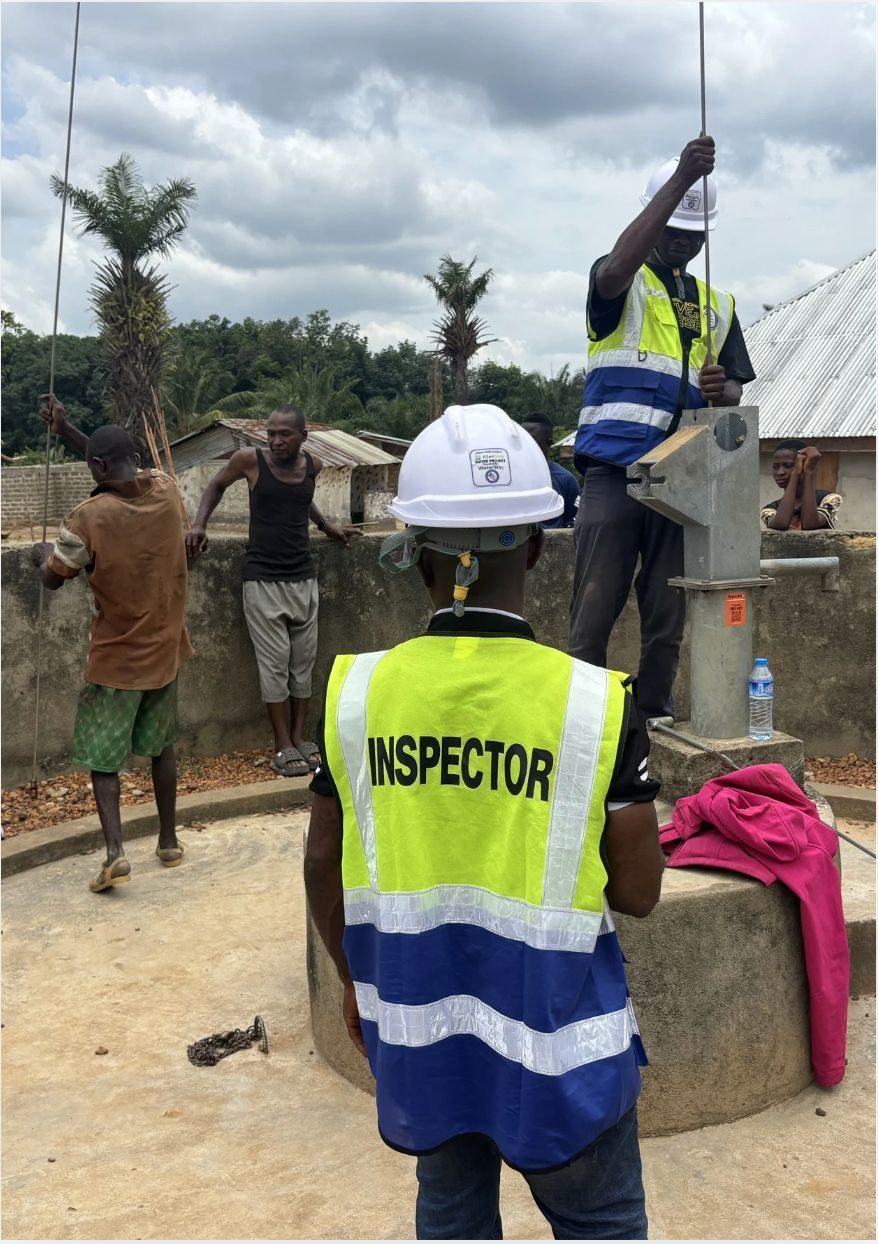
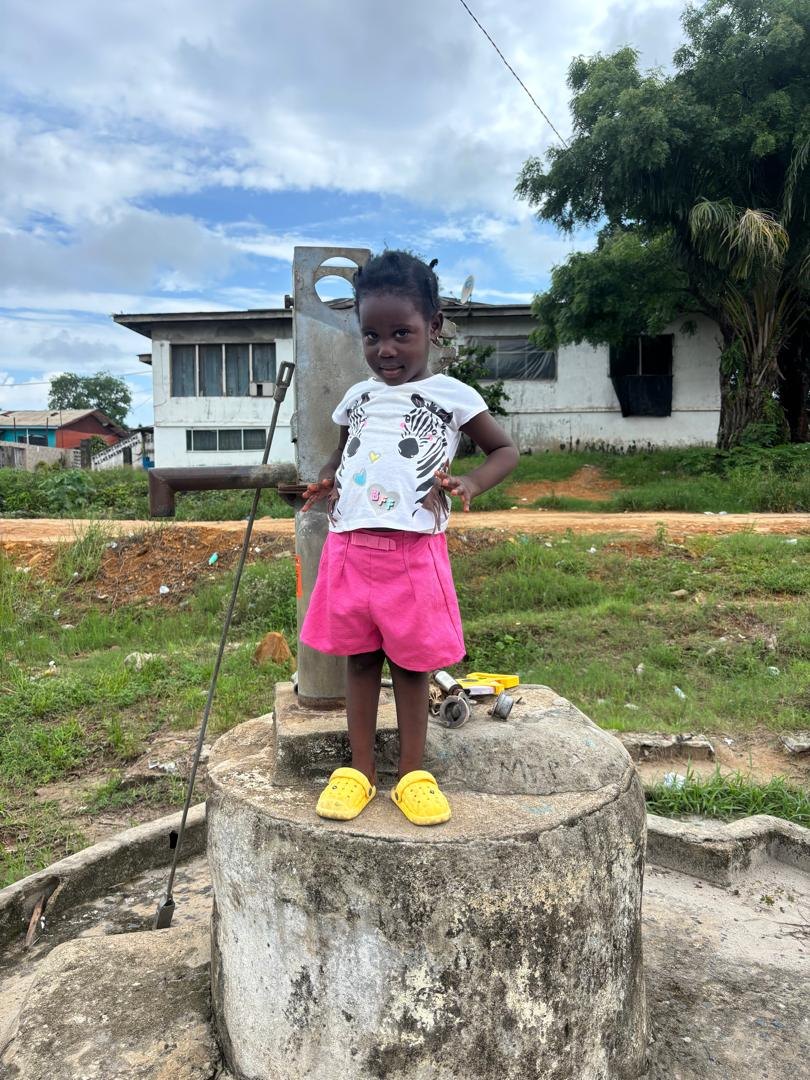
The Liberia field team
From two counties to every water point. One record for each.
- Repair: find the fault part by part, fix it, and test the water before calling it safe.
- Record: one record per water point in the WaterStep app, feeding the government-led national WASH iMIS.
- Teach: caretakers learn to keep their own water point working.
- Sustain: verified safe water can earn carbon revenue for upkeep, once certified.
The goal is not simply to give communities water today. It is to give them the means to keep it flowing tomorrow.
One pump. One record. Safe water that lasts.
Field figures are early results from a team in training. LWI is not yet certified; carbon revenue depends on Gold Standard certification, Liberian authorisation, yearly verification and buyers.